Every morning, across thousands of offices and factories in India, the day begins with a simple action. An employee walks to a small device mounted on the wall, places a finger on a scanner, or looks into a camera. A beep sounds, a green light flashes, and the day starts.
This routine is familiar. But have you ever wondered what happens to that data after the beep? In many organizations, that attendance record sits inside the machine until someone manually downloads it using a USB drive. An HR executive then spends days copying that data into an Excel sheet, matching it with shift rosters, calculating overtime, and finally feeding it into payroll software.
This manual process is where mistakes happen. It is slow, tiring, and prone to errors. This is where biometric attendance integration comes into the picture. It is the technology that builds a bridge between your attendance hardware and your HR Management System (HRMS).
At MYND Integrated Solutions, we work with technology every day to make business processes smoother. In this guide, we will explore how connecting your biometric devices directly to your HR software changes the way you manage your workforce. We will explain this in simple terms, focusing on how it helps your business grow without the headache of manual data entry.
What Is Biometric Attendance Integration?
To understand this concept, we must first look at the two separate parts.
First, you have the Biometric Device. This is the hardware. It captures physical data—fingerprints, face recognition, or iris scans—to verify who is entering your workplace and at what time.
Second, you have the HRMS (Human Resource Management System). This is the software brain of your organization. It handles employee profiles, leave records, shifts, and most importantly, payroll processing.
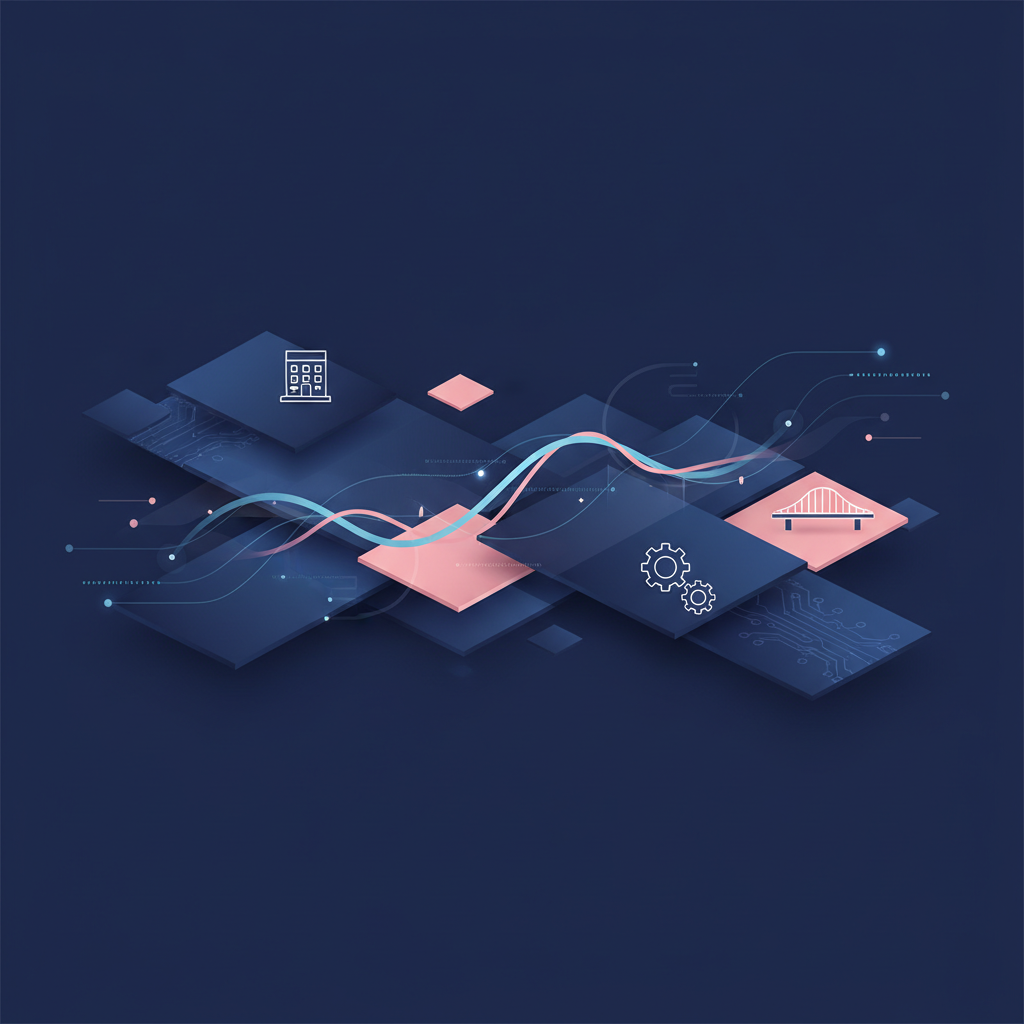
Biometric attendance integration is the process of connecting these two. Instead of a human acting as the messenger between the device and the software, the two systems talk to each other directly. When an employee punches in, the data flows automatically into the HRMS. There is no need for USB drives, manual typing, or complex spreadsheets.
Why Manual Data Transfer Is Slowing You Down
Before we look at the solution, it helps to understand the challenges of the old way of working. Many businesses still treat attendance and payroll as two different tasks. This creates several hurdles:
- Time Delay: If you download data only at the end of the month, you do not know who is absent today. You cannot plan shifts or cover for missing staff in real-time.
- Payroll Errors: Manual data entry often leads to mistakes. A typo in an Excel sheet can result in an employee getting paid too much or too little. This causes dissatisfaction and creates extra work to fix the error later.
- Compliance Risks: In India, labor laws regarding overtime and working hours are strict. Manual records are harder to verify and easier to manipulate. This can become a problem during audits.
- Ghost Employees: Without a direct link, it is harder to spot discrepancies. Integrated systems ensure that the person being paid is the person actually coming to work.
How the Integration Works
You do not need to be a software engineer to understand how this works. Imagine the biometric device and the HRMS are two people who speak different languages. The integration acts as a translator.
There are generally two ways this data moves:
1. Real-Time Push
In this method, the moment an employee punches in, the device sends that data instantly to a central server or cloud database linked to the HRMS. This is excellent for businesses that need to track staff instantly, such as retail chains or security agencies. An HR manager sitting in the head office in Delhi can see that a store manager in Pune has just opened the shop.
2. Scheduled Sync
For many offices, instant data isn’t necessary. A scheduled sync works perfectly. The system is set to “pull” data from the biometric devices at specific times—perhaps every hour, or once a day at 6:00 PM. This updates the attendance records automatically without anyone lifting a finger.
Key Benefits of Biometric Attendance Integration
When you successfully implement biometric attendance integration, the impact on your daily operations is immediate. Here is how it helps:
Accuracy in Payroll
Payroll is the most critical function of HR. Salaries depend on the exact number of days worked, late arrivals, early departures, and overtime hours. When the biometric machine feeds data directly into the payroll module, the calculation is precise. The software applies the rules automatically. If an employee is 15 minutes late, and your policy says a deduction applies, the system does it. There is no room for human bias or calculation error.
Better Leave Management
Have you ever faced a situation where an employee takes leave, but the attendance register shows them as “Absent” instead of “On Leave”? This happens when the leave application system is separate from the attendance system. With integration, if an employee applies for leave in the HRMS and it is approved, the system knows not to expect a biometric punch. The attendance report remains clean and accurate.
Handling Multiple Locations
For businesses with branches in Tier 2 or Tier 3 cities, managing attendance is tough. You cannot physically visit every site to collect data. Integration centralizes everything. All devices from all locations send data to one central HRMS. You get a single view of your entire workforce, whether they are in a factory in Manesar or a sales office in Jaipur.
Security and Proxy Prevention
Old methods like card swiping or signing a register allowed “buddy punching”—where one employee signs in for another. Biometric devices prevent this because you cannot fake a fingerprint or a face. When this secure data flows directly to payroll, you ensure that you are paying for actual work hours.
The Role of Technology in Compliance
We often talk about efficiency, but we must also talk about the law. Indian labor laws require businesses to maintain accurate registers of adult workers, overtime, and leave. The Factories Act and various state Shops and Establishments Acts have specific requirements.
When you use biometric attendance integration, you are creating a digital trail that is easy to audit. If a labor inspector asks for records of overtime paid in the last six months, a robust HRMS can generate that report in seconds based on the raw biometric data. This level of transparency protects the company and builds trust with employees.
At MYND, we understand that technology is not just about convenience; it is about staying compliant with the law. An integrated system helps ensure that your company policies regarding breaks, shift timings, and overtime limits are actually being followed.
Overcoming Common Challenges
While the benefits are clear, setting up this integration does require some planning. In our experience, businesses often face a few common hurdles. Being aware of them helps you solve them quickly.
1. Connectivity Issues
In some remote factory locations, internet connectivity can be unstable. If the internet goes down, does the data get lost? A good system stores the data locally on the device and uploads it once the connection is restored. This “store and forward” capability is essential for operations in areas with fluctuating network strength.
2. Device Compatibility
Not every biometric machine works with every HRMS. Sometimes, companies buy cheap hardware only to find out it cannot “talk” to their advanced software. It is always better to check compatibility first. We recommend using standardized devices that allow for API integration (a technical way of saying they are open to connecting with other software).
3. Data Security
Biometric data—fingerprints and face scans—is sensitive personal information. It must be protected. When integrating systems, the data channel must be encrypted. This ensures that the information traveling from the device to the server cannot be stolen or read by hackers.
Steps to Successful Integration
If you are considering biometric attendance integration for your organization, here is a simple roadmap to follow:
Step 1: Evaluate Your Current Hardware
Do you already have biometric devices? Check if they are capable of connecting to the internet and pushing data. Older models might need an upgrade.
Step 2: Define Your Attendance Policies
Software needs clear rules. Define what constitutes a “half-day,” what the “grace period” for late entry is, and how overtime is calculated. The integration will only be as good as the rules you feed into it.
Step 3: Choose the Right Partner
This is not just an IT project; it is an HR project. You need a partner who understands both technology and people management. The goal is to make life easier for your HR team, not harder.
Step 4: Pilot Testing
Before rolling it out to 500 employees, test it with 20. Check if the punches are reflecting correctly in the software. Check if the leave adjustments are happening automatically.
Step 5: Employee Training
Teach your staff how to use the machines correctly. Explain that this system helps them by ensuring their overtime and attendance are recorded accurately, leading to correct salaries.
The Future is Contactless and Integrated
The world of attendance is changing. Since the pandemic, there has been a massive shift from fingerprint scanners to facial recognition systems to maintain hygiene. These modern devices are built with integration in mind. They are smarter, faster, and more secure.
Furthermore, integration is moving beyond just “in and out” times. Modern systems can link attendance to performance. For example, in a manufacturing setup, you can correlate the hours worked by a shift with the production output of that shift. This gives business owners powerful insights into productivity.
Conclusion
The days of manual attendance registers and disconnected systems are fading away. In a competitive business environment, you cannot afford to waste days processing payroll or worrying about the accuracy of your data. Biometric attendance integration is not just a luxury; it is a necessity for any growing business that values efficiency and transparency.
By automating the flow of data from the entry gate to the salary slip, you remove the bottlenecks that slow down your HR department. You ensure your employees are paid correctly and on time. You ensure your business stays compliant with the law.
Technology works best when it runs in the background, quietly solving problems so you can focus on what matters—your core business. Whether you are managing a single office or a multi-state operation, bridging the gap between your hardware and software is the smart move forward.
Are you ready to streamline your attendance and payroll processes? At MYND Integrated Solutions, we specialize in bringing technology and HR processes together. Explore our Technology & HR Solutions today to find the right fit for your organization.