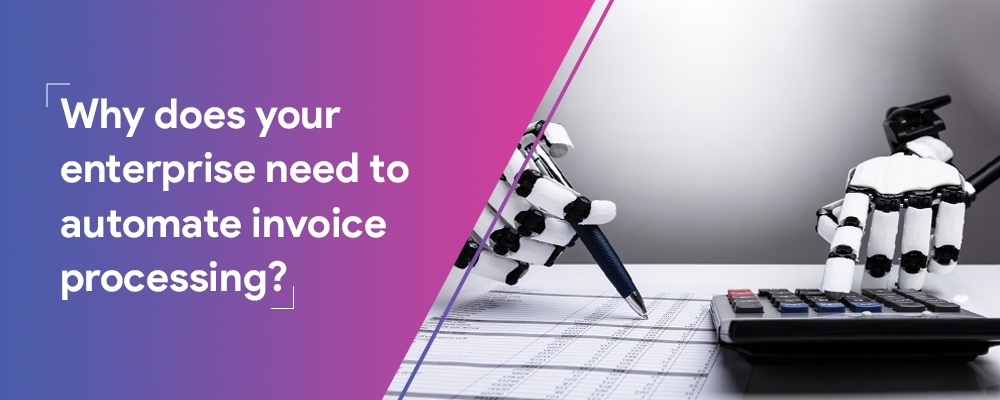
In the rapidly maturing digital economy of 2026, manual invoice processing has evolved from a simple bottleneck into a significant business risk. Automated invoice processing now represents the backbone of resilient financial operations, utilizing sophisticated managed service frameworks to oversee the entire invoicing lifecycle. By integrating advanced data extraction, cognitive validation, and automated reconciliation, these systems eliminate traditional friction points and transform raw transactional data into actionable financial intelligence. This shift allows enterprises to move beyond mere survival, establishing a foundation for superior visibility and strategic agility.
Why Invoice Automation is the Foundation for Autonomous Finance in 2026
Modern business excellence is no longer measured just by output, but by the degree of intelligent automation embedded within core processes. As a critical component of Finance-as-a-Service (FaaS), automated invoicing serves as the gateway to hyper-efficient document processing. Current industry benchmarks for 2026 indicate that mature automation frameworks allow organizations to achieve near-zero-touch processing, reducing operational overhead by up to 85%, accelerating cycle times by 70%, and redirecting 40% of human capital toward high-value analytical roles.
Enterprises today operate under a microscope of global regulatory scrutiny. Whether navigating the complexities of updated GST frameworks, VAT transparency, or real-time reporting mandates, the margin for error is non-existent. Precision is the new currency of compliance. Automated systems act as a continuous audit layer, ensuring that every transaction is validated against the latest regional tax laws before it even hits the ledger. To understand its role in a modern managed services environment, consider these primary functions:
- Real-time reporting of transaction data to global regulatory bodies, ensuring seamless cross-border compliance.
- Transformation of invoices into structured data sets that feed predictive models for cash flow forecasting and supply chain optimization.
- Instantaneous access to transactional archives, enabling proactive audit readiness and rapid dispute resolution.
The 2026 Competitive Edge: Advantages of Integrated Automation
Cognitive Efficiency and Resource Optimization
- Facilitates a ‘touchless’ workflow that processes high volumes without increasing headcount.
- Minimizes the total cost of ownership (TCO) by replacing fragmented legacy systems with unified managed solutions.
- Optimizes working capital through dynamic discounting and the elimination of late-payment penalties.
- Synchronizes ancillary documentation, such as e-way bills and delivery notes, into a single digital thread.
Global Compliance and Risk Mitigation
- Leverages AI-driven validation to detect anomalies, preventing fraudulent disbursements and duplicate payments.
- Creates an immutable digital audit trail, providing a single source of truth for internal and external stakeholders.
- Streamlines electronic filing with automated connectors to governmental portals and tax engines.
- Adapts dynamically to changing tax rates and regulatory requirements without manual reconfiguration.
The Evolution of Finance Intelligence
In 2026, the value of an invoice lies in the data it carries. Modern automation platforms utilize ‘Intelligent Indexing,’ allowing finance teams to query deep transaction history in seconds. This capability transforms accounts payable from a cost center into a strategic repository of vendor behavior, material costs, and seasonal trends. By leveraging this authenticated data, enterprises can unlock more favorable terms in supply chain financing and strengthen their balance sheets through precise accrual management.
New for 2026: The Rise of AI Agents in the Invoicing Ecosystem
The standard for 2026 has moved from simple automation to ‘Agentic Finance.’ Artificial Intelligence agents now act as autonomous intermediaries that don’t just capture data but understand context. These agents can autonomously communicate with vendors to resolve discrepancies in unit prices or tax codes, often before a human accountant is even aware of the issue. This level of hyper-connectivity ensures that the finance department functions as a real-time engine of the business, rather than a historical record-keeper. Furthermore, the integration of ESG (Environmental, Social, and Governance) tracking directly into the invoicing workflow allows companies to monitor the carbon footprint of their supply chain automatically, fulfilling new transparency requirements for the 2026 fiscal year.
Conclusion: Future-Proofing Your Financial Infrastructure
The transition toward autonomous financial operations is inevitable. As global jurisdictions move closer to mandatory real-time e-invoice clearance, the window for manual intervention is closing. For the modern enterprise, investing in a robust, managed automation framework is no longer a luxury—it is a requirement for operational resilience. By prioritizing accuracy, compliance, and data-driven insights, organizations can build a financial infrastructure that is not only efficient today but prepared for the technological breakthroughs of tomorrow.