Human Resources (HR) has always been about people. It is about finding the right talent, ensuring they get paid on time, and helping them grow in their careers. But in the modern office, HR is also about information. Every time a new employee joins a company, they hand over a significant amount of personal details. This includes everything from their home address and phone number to their bank account details, government ID numbers, and even medical history.
For a long time, this information lived in paper files inside locked metal cabinets. Today, it lives on servers, in the cloud, and across various software applications. This shift has made things faster and more efficient, but it has also brought a major responsibility: keeping that information safe. This is where data privacy compliance becomes the most critical part of HR operations.
At MYND Integrated Solutions, we see data privacy not just as a legal rule, but as a way to build trust. When employees know their personal information is safe, they feel more secure in their workplace. In this article, we will look at why data privacy matters in HR, the role technology plays in it, and how organizations can handle this responsibility effectively.
Why HR Data is Different
Every department in a company handles data. Sales teams have customer lists, and finance teams have budget spreadsheets. However, HR data is unique because of its sensitivity. If a marketing plan leaks, it might hurt business strategy. If HR data leaks, it can hurt individuals personally.
HR departments handle what is known as Personally Identifiable Information (PII). This includes:
- Identity Data: Names, dates of birth, passport copies, Aadhaar or PAN details.
- Financial Data: Bank account numbers, salary structure, and tax declarations.
- Health Data: Sick leave records, insurance claims, and disability information.
- Performance Data: Appraisals, disciplinary records, and internal feedback.
Because this data is so personal, protecting it requires a higher standard of care. Data privacy compliance ensures that this information is collected fairly, stored tracking securely, and used only for the right reasons.
The Shift from Paper to Digital
In the past, securing data meant locking the office door. Now, with remote work and digital tools, the “office” is everywhere. An HR manager might access payroll data from a laptop at home, or a recruiter might view resumes on a mobile phone.
This convenience is great for business speed, but it opens up new gaps. If a spreadsheet containing salary details is emailed without a password, or if an old laptop is thrown away without wiping the hard drive, data is at risk. This is why we believe that modern HR cannot function without a strong partnership with Information Technology (IT). Technology is no longer just a support tool; it is the foundation of safety.
Core Principles of Data Privacy in HR
While laws change from country to country—like the GDPR in Europe or the DPDP Act in India—the core principles of respecting data remain similar. Understanding these principles helps businesses stay on the right side of data privacy compliance.
1. Consent and Transparency
The first rule is simple: do not take data without asking. When an employee joins, they should know exactly what data is being collected and why. For example, if you need their bank details, explain that it is for payroll processing. If you need their emergency contact, explain that it is for safety reasons. Transparency builds trust. Employees should never be surprised by how their data is used.
2. Purpose Limitation
Data should only be used for the purpose it was collected for. If you collected phone numbers for work updates, they should not be shared with a third-party marketing agency to sell credit cards. This is a common area where compliance breaches happen unintentionally. Strict internal policies help prevent this “scope creep.”
3. Data Minimization
Collect only what you need. Does the HR team really need to know an employee’s religious views or political opinions? Usually, the answer is no. If the data is not essential for the job or legal requirements, it is safer not to collect it at all. Less data means less risk.
4. Storage Limitation
Data should not be kept forever. Once an employee leaves the company, there is a legal timeframe for keeping their records (for tax or legal proof). After that period expires, the data should be securely deleted. Keeping old resumes from ten years ago “just in case” clogs up systems and increases privacy risks.
The Role of Technology in Compliance
This is where the right tools make a massive difference. Trying to maintain data privacy compliance using manual methods like Excel sheets and email threads is very difficult and risky. Modern technology solutions, which we advocate for strongly, automate safety.
Role-Based Access Control (RBAC)
In a manual system, a file folder is either open or closed. In a digital system, we can be much more specific. This is called Role-Based Access Control. It means giving access only to people who need it to do their job.
For example:
- A Recruiter needs to see resumes but does not need to see bank details.
- A Payroll Manager needs to see bank details but does not need to see medical records.
- A Team Lead needs to see performance reviews but does not need to see the salary of their team members.
Good HR technology allows you to set these rules once. The system then automatically restricts access. This prevents curiosity or accidental sharing from turning into a data breach.
Encryption and Secure Transmission
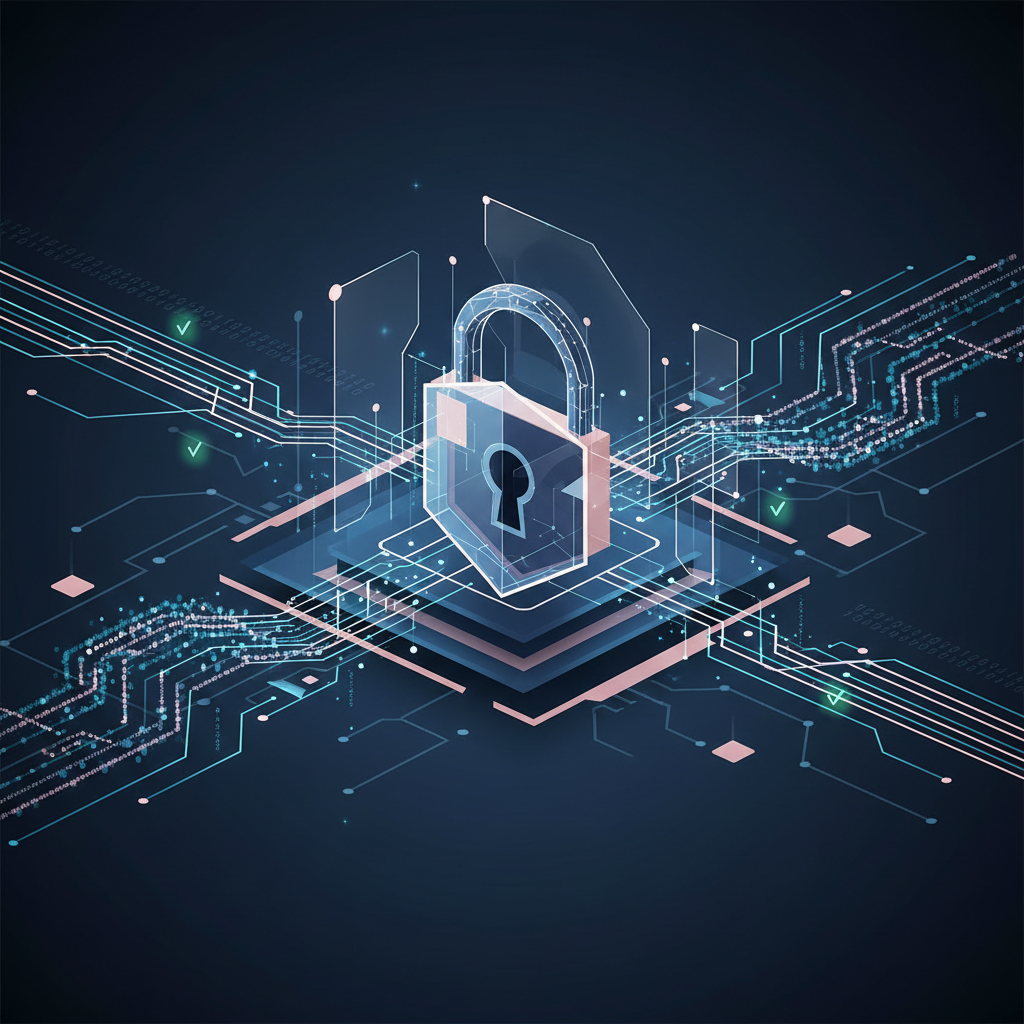
When data moves from one place to another—like from an employee’s portal to the central server—it needs to be protected. Encryption scrambles the data so that even if someone intercepts it, they cannot read it. It is like sending a letter in a locked box where only the receiver has the key. Cloud-based HR platforms use high-level encryption standards to ensure that data is safe both when it is sitting on a server and when it is moving across the internet.
Audit Trails
One of the best features of modern HR systems is the audit trail. In a paper world, if someone opened a file cabinet, read a document, and put it back, no one would know. In a digital system, every action is recorded. You can see exactly who opened a file, what time they did it, and if they made any changes. This is vital for data privacy compliance because it holds everyone accountable.
Managing Vendor Risks
Most companies do not do everything in-house. You might hire a background verification company, an insurance provider, or a payroll processing firm. When you share your employees’ data with these partners, you are still responsible for it.
If your vendor has a weak security system and loses your data, your employees will look to you for answers. This is why choosing the right partner is essential. Whether you are outsourcing payroll or compliance management, you must ensure the partner has strong security certifications (like ISO 27001) and follows strict data privacy laws. We always recommend conducting a thorough check on how third-party vendors store and handle data before signing any contracts.
Common Challenges and Practical Solutions
Even with good intentions, companies face hurdles. Here are some common challenges and simple ways to address them.
The “Human Error” Factor
Technology can be perfect, but humans make mistakes. An HR executive might accidentally email a salary sheet to the entire staff instead of the finance manager. Or an employee might write their password on a sticky note.
Solution: Regular training is the answer. Data privacy compliance is not just for the IT team; it is for everyone. simple workshops on how to create strong passwords, how to spot phishing emails, and the correct way to share files can reduce these errors significantly.
Shadow IT
“Shadow IT” refers to employees using software that has not been approved by the company. For example, an HR team member might use a free online tool to convert a PDF file containing sensitive data because it is faster than asking IT for help. These free tools often do not guarantee privacy.
Solution: Provide your teams with the right tools so they don’t have to look elsewhere. If the official software is easy to use, employees won’t resort to unsafe shortcuts.
Data Accuracy
Data privacy is also about accuracy. If an employee’s address changes but the system isn’t updated, tax documents might be sent to the wrong house. This is a privacy breach.
Solution: Self-service portals. Allow employees to log in and update their own personal details. This ensures the data is accurate and reduces the workload on the HR team.
Preparing for the Future
Regulations regarding data are getting stricter. Governments around the world are realizing that citizens need protection in the digital age. For businesses, this means that compliance is not a one-time project. It is an ongoing process.
To stay ahead, companies need to move away from reactive fixes and towards proactive management. This involves:
- Regular Audits: Checking your systems every few months to find weak spots.
- Data Mapping: Knowing exactly where every piece of data lives in your organization.
- Incident Response Plans: Having a clear plan for what to do if a breach happens, so you can act fast to protect your people.
Conclusion
Data privacy compliance in HR operations is about more than just avoiding fines or following laws. It is about respect. When an employee joins your organization, they are trusting you with their livelihood and their personal identity. protecting that information is one of the most important ways an employer can show they care.
By combining clear policies with robust technology, organizations can turn compliance into a strength. Secure systems lead to efficient processes, and efficient processes allow HR teams to focus on what really matters: the people.
As businesses grow and technology evolves, the complexity of managing this data will increase. However, with the right approach and the right systems in place, it is a challenge that can be met with confidence. We believe that when technology handles the compliance and security heavy lifting, your HR team is free to build a better workplace culture.