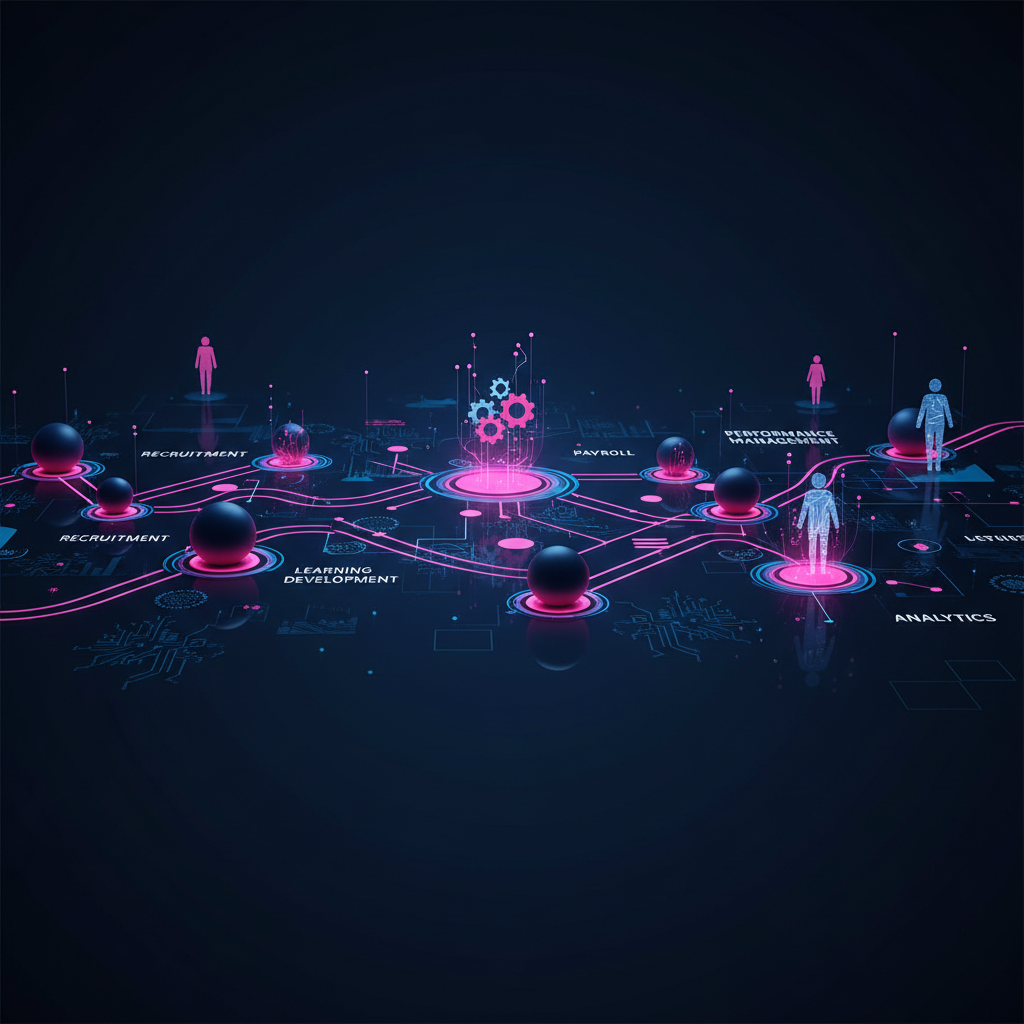
Imagine a typical day in a Human Resources department. You have one software for hiring new people. You have a different software for marking attendance. Then, you have another separate system for calculating salaries and payroll. Finally, there is a fourth system for managing employee performance reviews.
For an HR manager, this often means typing the same employee name, email, and bank details three or four times into different screens. It takes a lot of time. It is boring work. Worst of all, if you make a mistake in one place, it causes problems everywhere else. If the salary software has the wrong bank account number because of a typing error, the employee does not get paid on time. This creates stress for everyone.
This is a common problem in many companies, from small offices to big enterprises. The solution to this problem lies in technology that allows these different software programs to “talk” to each other. This is where api integration services come into the picture.
At MYND Integrated Solutions, we believe that technology should make work easier, not harder. In this article, we will explain what API integration is, why it matters for your HR systems, and how it helps businesses run smoothly. We will keep the language simple so that everyone, from IT managers to business owners, can understand the value of connecting their systems.
What is an API?
Before we talk about services, we must understand what an API is. API stands for “Application Programming Interface.” That sounds very technical, but the concept is actually quite simple.
Think of an API as a waiter in a restaurant. You are the customer sitting at the table (one software system), and the kitchen is where the food is prepared (another software system). You cannot just walk into the kitchen and start cooking. You need someone to take your order to the kitchen and bring the food back to you. The waiter does this. The waiter takes your request, tells the kitchen what to do, and brings you the result.
In the world of computers, an API acts like that waiter. It takes data from one software (like your attendance machine) and delivers it to another software (like your payroll system). It happens automatically, without a human needing to type anything.
The Problem with Disconnected Systems
Many businesses buy the best software for different needs. You might buy the best recruitment tool and the best payroll tool. But if they are not connected, you create “data silos.” A silo is like a tall tower with no windows or doors connecting to the tower next to it. Information gets trapped inside.
When HR systems are not connected, you face several challenges:
- Data Duplication: HR teams waste hours entering the same data into multiple forms.
- Human Error: Manual data entry always leads to mistakes. A wrong date of birth or a misspelled name can cause compliance issues.
- Slow Reporting: If a business leader asks, “What is our total cost of labor today?”, the HR team has to download reports from three different places and combine them in Excel. This takes days.
- Poor Employee Experience: Employees get frustrated when they update their address in one portal, but the finance team still sends letters to their old address.
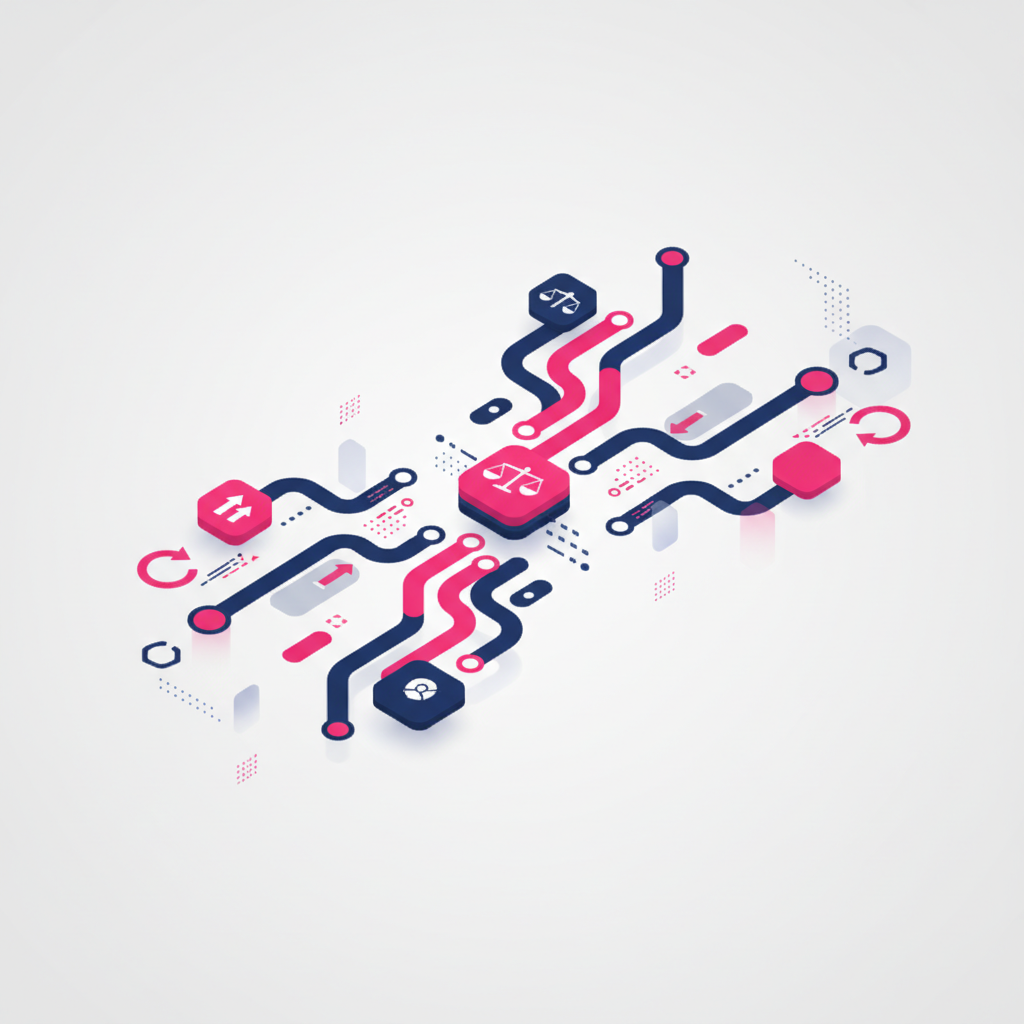
API integration services solve these problems by building bridges between these silos. When the systems are integrated, data flows like water through a pipe—smoothly and instantly.
Top Use Cases for API Integration in HR
To understand how this helps your business, let us look at real-life examples where integration changes the way you work.
1. Recruitment to Onboarding
When you hire a candidate, you collect a lot of information during the interview process—resumes, contact details, and interview notes. Once the candidate says “yes,” they become an employee.
Without integration, the HR team has to take the paper file and type all those details into the main HR database. With API integration, the recruitment software simply sends a message to the main HR system saying, “Create a new employee profile with these details.” The profile is created instantly. The new employee can start their first day with their email and ID card ready, rather than waiting for paperwork to be processed.
2. Time and Attendance to Payroll
This is perhaps the most critical integration for any company. Most offices use biometric machines (fingerprint or face scanners) to track when people come in and go out. However, salaries are calculated based on these hours.
If these systems are not connected, someone has to download the attendance logs at the end of the month and manually calculate the days payable. This is where errors happen. By using api integration services, the attendance machine feeds data directly into the payroll software. It calculates overtime, late marks, and leaves automatically. This ensures that the salary credited to the bank account is 100% accurate based on the actual work done.
3. Expense Management to Finance
Employees often spend their own money for office work—like travel or client dinners—and apply for reimbursement. Usually, they submit these claims in an HR portal. However, the money is paid by the Finance department, which uses different software (an ERP system).
Integration allows the approved claim in the HR portal to automatically create a payment voucher in the Finance system. The employee gets paid faster, and the Finance team has a clear record of where the money went without re-typing the numbers.
4. Background Verification
Verifying the history of a new employee is standard practice. Usually, this involves sending emails to a third-party verification agency and waiting for a reply. With APIs, your HR system can initiate a request to the verification agency’s system automatically. When the check is complete, the status in your HR system changes from “Pending” to “Cleared” without anyone needing to send a follow-up email.
The Benefits of Professional API Integration Services
You might wonder, “Can my internal IT team do this?” Sometimes, yes. But connecting complex business systems requires specific expertise. This is why many organizations look for specialized partners.
Here is why professional integration adds value:
Accuracy and Compliance
In India, labor laws and tax regulations are strict. If data moves incorrectly from one system to another, you might calculate the wrong Provident Fund (PF) or TDS (Tax Deducted at Source). Professional integration ensures that the data structure matches perfectly. We ensure that “Basic Salary” in System A maps exactly to “Basic Salary” in System B, keeping you compliant with the law.
Real-Time Visibility
Business leaders need to make decisions fast. They cannot wait for end-of-month reports. Integrated systems provide real-time dashboards. You can see headcount, attendance trends, and payroll costs as they stand today. This visibility allows for better planning and resource allocation.
Security and Data Privacy
HR data is sensitive. It contains bank details, Aadhaar numbers, and personal addresses. When moving this data between systems, it must be secure. Professional api integration services use encryption (like locking the data in a safe while it travels) and secure keys. This ensures that hackers cannot steal the information while it is moving from one software to another.
How the Integration Process Works
At MYND, we approach integration not just as a coding task, but as a business process improvement task. Here is a simple look at how such a project usually runs:
Step 1: Discovery and Planning
We do not start by writing code. We start by listening. We look at what software you currently use. We ask what problems you are facing. Are your salaries late? Is your recruitment data messy? We map out the flow of data that your business actually needs.
Step 2: Designing the Workflow
Once we know the requirement, we design the solution. We decide which system will be the “Master.” Usually, the Core HR system is the master for employee data. If you change a phone number there, it should update everywhere else. We define these rules clearly.
Step 3: Building the Connection
This is the technical part. Using APIs, we create the connectors. We test to make sure the “waiter” is bringing the right order to the right table. We handle different data formats—some systems speak English, others might speak French (metaphorically). The API translates so they understand each other.
Step 4: Testing and Go-Live
Before switching it on for the whole company, we test it thoroughly. We might run a “dummy payroll” to see if the attendance data flows correctly. Once we are sure everything works perfectly, we go live.
Step 5: Maintenance
Software companies update their products often. Sometimes an update can change how the API works. Professional services include monitoring these connections to ensure they keep working smoothly over time.
Choosing the Right Partner
Technology is changing very fast. Today you might use one software, but two years later you might switch to a better one. A good integration strategy makes it easy to swap parts of your system without breaking the whole machine.
When looking for api integration services, look for a partner who understands both the technology and the HR domain. A pure software developer might know how to code, but they might not understand the difference between “Gross Salary” and “Net Salary” or the importance of leave policies. A partner with domain expertise ensures that the integration supports your actual business rules.
We also suggest looking for scalability. As your business grows from 500 employees to 5000, your systems will handle much more data. Your integration architecture needs to handle this load without slowing down.
The Impact on Your Team
The biggest benefit of API integration is actually human, not technical. When you automate the boring, repetitive tasks, you free up your HR team to do what they are meant to do: manage human resources.
Instead of typing data into Excel sheets, your HR team can spend time on employee engagement, training programs, and culture building. They stop being “data entry operators” and become “strategic partners” for the business. For the IT team, it means fewer helpdesk tickets complaining about password errors or missing data. Everything works in harmony.
Conclusion
In the modern digital age, no software should stand alone. The true power of technology comes from connectivity. By utilizing api integration services, you are not just connecting wires; you are connecting your people, your processes, and your data.
This leads to accurate payroll, happier employees, and a management team that has clear visibility into the business. It removes the friction from daily operations and allows the company to focus on growth.
At MYND Integrated Solutions, we understand the intersection of people, process, and technology. We know that every business has a unique setup of software and tools. Our goal is to make them work together seamlessly, ensuring your HR operations are efficient, compliant, and future-ready.
If you are struggling with disconnected systems and manual data entry, it might be time to look at how integration can help. Let us help you build a connected digital ecosystem for your organization.