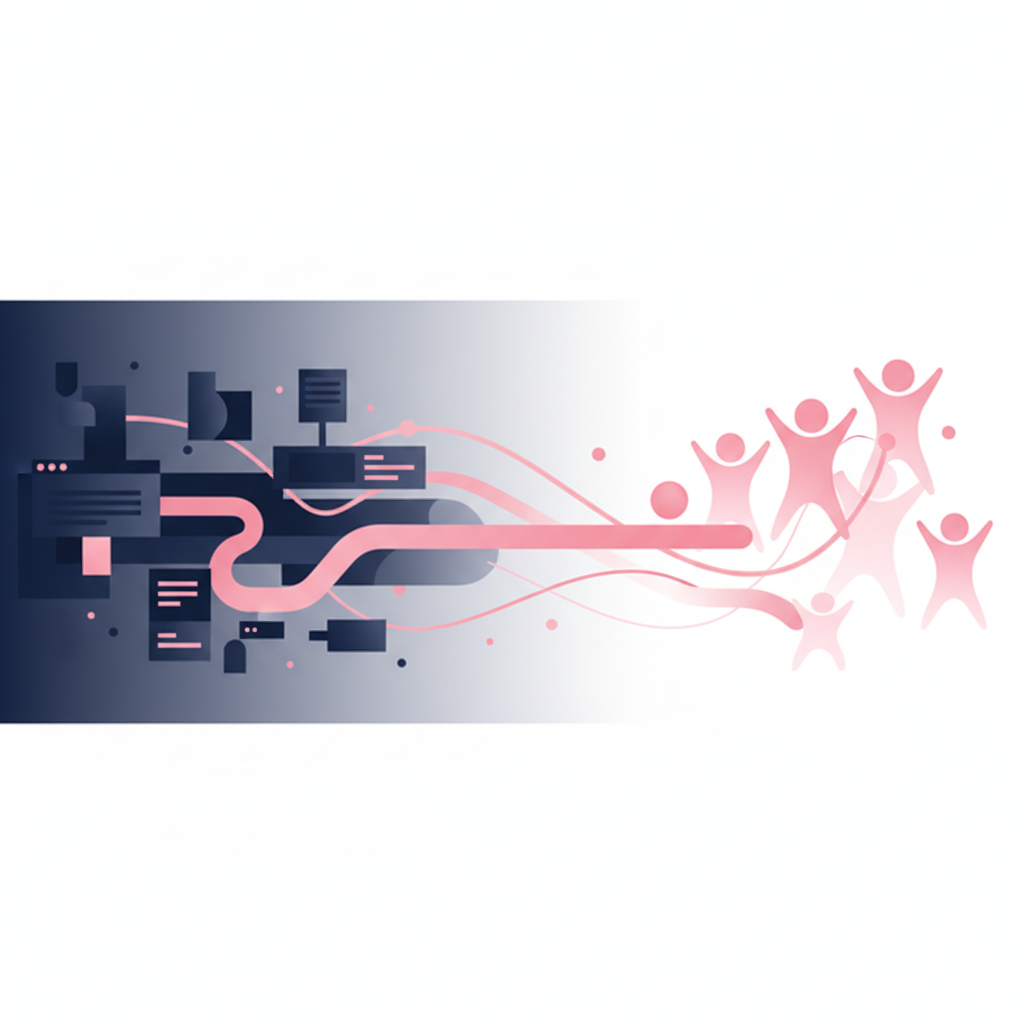
HR is changing. A few years ago, the Human Resources department was mostly about files, paper forms, and keeping records in cabinets. Today, businesses are moving fast. They want data instantly. They want employees to manage their own leaves through apps. They want payroll to happen with a single click. This shift is what we call HR Transformation.
To achieve this, companies invest heavily in new technology. They buy the best software and upgrade their IT systems. But often, despite spending money and time, the results are not what they expected. The software is good, but the employees are confused. Managers are still using emails instead of the system. The data is incomplete.
Why does this happen? The answer is simple. Organizations often focus too much on the “technology” and forget about the “people.” Changing a system is easy; changing habits is hard. This is where change management services become essential. In this post, we will look at how to manage the human side of HR transformation effectively.
Understanding HR Transformation
Before we discuss how to manage change, we need to understand what we are changing. HR transformation is not just about moving from paper to digital. It is about changing the way the HR function adds value to the business. It is about moving from being a support function to a strategic partner.
For example, instead of spending three days calculating attendance manually, an HR manager should be able to see a report in seconds and spend those three days planning employee training. This transformation usually involves three things:
- Process Redesign: Fixing old, slow ways of working.
- Technology Implementation: bringing in tools like Human Resource Management Systems (HRMS).
- People Capability: Training the HR team and employees to work differently.
When you introduce a new technology solution, you are asking people to stop doing what they are comfortable with and start doing something new. This creates a gap. Bridging this gap is the job of change management.
Why Technology Alone is Not Enough
Imagine you buy a very advanced treadmill for your home. It has a screen, connects to the internet, and tracks your heartbeat. Buying the treadmill is the “technology implementation.” But just buying it does not make you fit. You have to get on it every day, run, and change your daily routine. That requires motivation and discipline.
The same logic applies to business technology. You can implement a world-class system for payroll or compliance. But if your team does not know how to use it, or if they prefer their old Excel sheets, the system is useless. Technology is the tool, but people are the drivers.
We often see that projects fail not because the software had bugs, but because the users rejected it. They found it too hard, or they didn’t understand why the change was necessary. This is where professional change management services come in. They focus on preparing, equipping, and supporting individuals to adopt change successfully.
The Core Pillars of Successful Change Management
When we look at successful HR transformations, we see they follow a structure. It is not random. Here are the main areas you must focus on to ensure your team accepts the new changes.
1. Clear Communication
Silence causes confusion. When employees hear that a new system is coming, they get worried. They ask questions like: “Will I lose my job?”, “Is this going to be difficult?”, or “Why are we doing this?”
A good change management plan answers these questions before they become problems. Communication should not be a one-time email from the CEO. It needs to be continuous. You need to explain the “Why.” Tell your team that the new system will make their lives easier. Tell them it will ensure their salaries are processed faster. When people see the benefit for themselves, they are more likely to support the change.
2. Stakeholder Engagement
In any company, different people have different needs. A factory worker in a Tier 4 city has different needs than an IT manager in a metro city. If you roll out an app that is only in English and requires high-speed internet, the factory worker might not be able to use it.
We must identify who is affected by the change. These are your stakeholders. You need to talk to them early. Understand their daily challenges. If the new solution solves their specific pain points, they will become your biggest supporters. Engaging with them early shows respect and helps you design a better rollout plan.
3. Training and Support
You cannot expect people to learn a new software overnight. Training is critical. However, long boring classroom sessions are rarely effective. Training needs to be practical and easy to understand.
For a diverse workforce, consider different methods. Some people prefer videos, others prefer reading manuals, and some need hands-on help. Creating simple “How-to” guides or quick reference cards can be very helpful. The goal is to make the user feel confident. When they feel confident, they use the system more.
The Process of Managing Change
How do we actually do this? When we look at change management services in the context of HR transformation, we usually follow a step-by-step journey.
Phase 1: Preparation
Before the software is even installed, the work begins. In this phase, we assess the organization’s readiness. Is the culture open to change? Who will be the project sponsors? We identify potential risks. For example, if the payroll team has been using the same spreadsheet format for 10 years, they might resist a new automated tool. Knowing this in advance helps us plan how to talk to them.
Phase 2: Management and Implementation
This is when the change happens. The new system goes live. During this time, the focus is on execution. We track who is using the system and who is not. We celebrate small wins. For instance, if the first month of payroll is processed 100% digitally, that is a success to share with the company. This builds momentum.
Phase 3: Reinforcement
Many projects fail after the “Go-Live” party. People slowly go back to their old ways. Reinforcement is about keeping the change alive. It involves collecting feedback, fixing small issues quickly, and continuing to train new joiners. It ensures that the change becomes the new normal.
Connecting HR Processes with Technology
At MYND, we understand that HR processes like payroll, compliance, and benefits administration are deeply connected to technology. When you change one, you affect the other. This is why change management cannot be handled by IT alone, nor by HR alone.
IT professionals ensure the system works. HR professionals ensure the policies are correct. But who ensures the people bridge the gap? That is the role of a change management strategy. It aligns the technical side with the human side.
For example, consider an automated attendance system.
- The Tech View: The biometric device captures data and sends it to the server.
- The HR View: The data calculates salary and leaves.
- The Employee View: “I forgot to punch in. How do I fix it? This machine is annoying.”
A good change management plan anticipates the employee view. It creates a simple process for “forgotten punches” and educates the employee on how to use it, reducing frustration.
Overcoming Resistance
It is natural for humans to resist change. We like predictability. When you introduce a new HR platform, you disrupt that predictability. You might hear things like “The old way was faster” or “I don’t have time to learn this.”
We should not ignore this resistance. Instead, we should listen to it. often, resistance gives us valuable information. If people say the new way is slower, maybe they are right. Maybe they need a shortcut or a better configuration. By listening and adjusting, you turn critics into partners.
It is also important to identify “Change Champions.” These are employees within the team who are excited about the new technology. They can help their colleagues learn and encourage them. Peer-to-peer support is often more effective than an email from the boss.
The Value of External Expertise
Managing day-to-day HR operations is already a full-time job. Managing a major transformation on top of that can be overwhelming. This is why many organizations look for partners who understand both the technology and the process.
Utilizing change management services brings structure to the chaos. Experts in this field have seen these challenges before. They know the common pitfalls. They know how to communicate with different levels of staff, from the warehouse floor to the boardroom.
An external partner can provide an objective view. They can spot gaps in training or communication that an internal team might miss because they are too close to the project. They help ensure that your investment in technology actually pays off.
Measuring Success
How do you know if the change management was successful? It is not just about whether the software is running. We look at adoption metrics.
- Utilization Rates: What percentage of employees are logging in?
- Error Reduction: Are there fewer mistakes in payroll or compliance data?
- Support Tickets: Is the number of “I can’t do this” queries going down over time?
- Employee Sentiment: Do people feel the new system helps them?
When these numbers look good, you know the transformation has worked. You have successfully moved from the old way to the new way.
Conclusion
HR transformation is essential for any business that wants to grow and stay compliant in today’s digital world. But buying the software is only half the battle. The real challenge—and the real victory—lies in getting your people to embrace that software.
Technology solves business problems, but people solve technology problems. By focusing on clear communication, proper training, and continuous support, you can ensure your HR transformation is a success. It is about making the technology work for the people, not the other way around.
If you are planning an HR transformation or struggling with adoption of a new system, remember that the human element is the key. Structured change management services can be the bridge that takes you from a complicated implementation to a smooth, efficient operation that everyone values.
Ready to smooth out your HR transformation journey? Explore how we can help your team adapt and thrive with the right mix of technology and people support.