Every business owner and manager knows that a company is only as good as its people. When your team is happy, productive, and supported, the business grows. However, managing people is not just about hiring them and paying their salaries. It involves a continuous journey that starts before they even join and continues after they leave. This journey is known as the employee lifecycle.
Managing this journey well is essential for any organization, whether you are a small startup or a large enterprise. It ensures that you find the best talent, keep them engaged, and manage all the complex administrative tasks like payroll and legal compliance without errors. In this guide, we will look at how to handle employee lifecycle management effectively, with a focus on how modern technology and organized processes can make this easier for you.
What is the Employee Lifecycle?
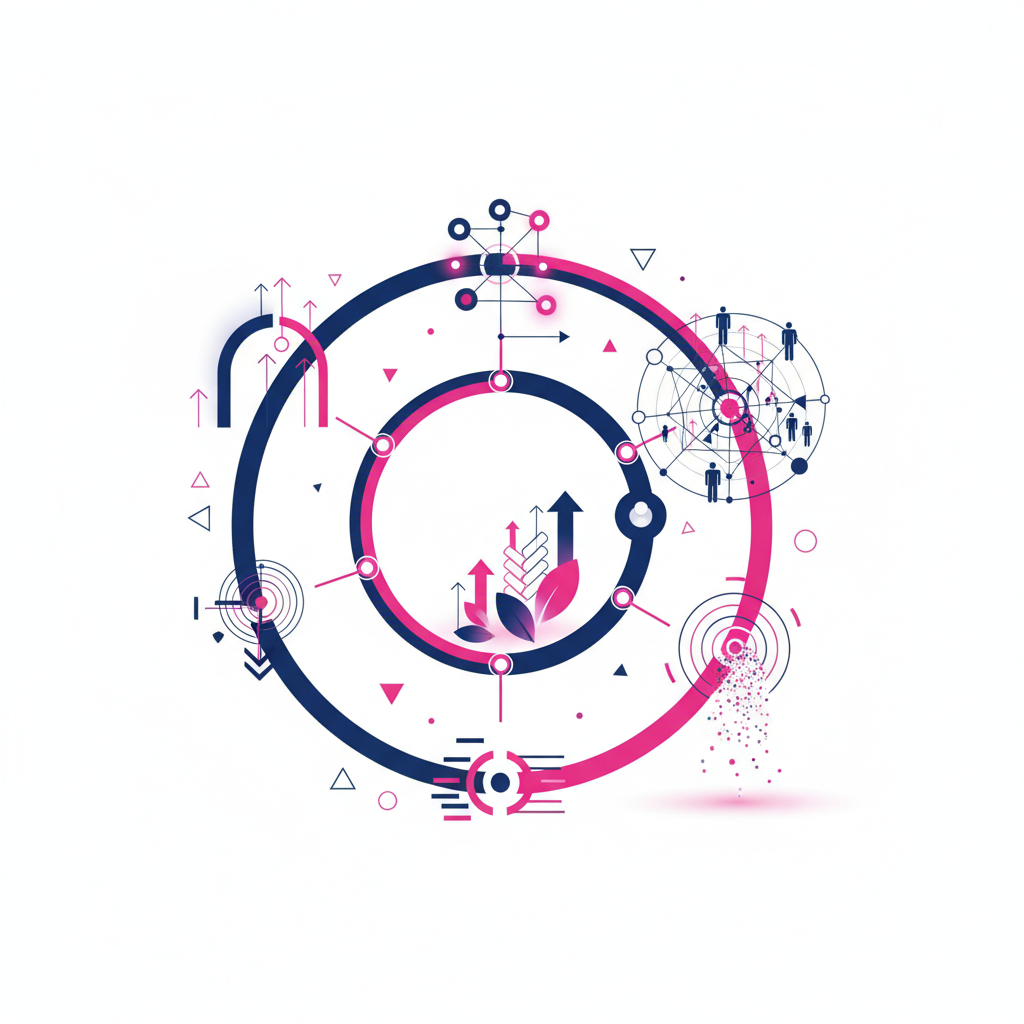
The employee lifecycle is a model used to identify the different stages a worker goes through during their time with a company. You can think of it as a roadmap of the employee’s relationship with the organization. By understanding each stage, companies can make better decisions to support their staff.
There are generally five to six main stages in this lifecycle:
- Attraction and Recruitment: Finding the right people.
- Onboarding: Welcoming them and getting them settled.
- Development: helping them learn and grow.
- Retention: Keeping them happy, paid, and compliant with laws.
- Separation (Offboarding): Managing their exit smoothly.
Employee lifecycle management is the strategy you use to handle all these stages. When done correctly, it improves the employee experience and reduces the workload on your HR and finance teams.
Stage 1: Smart Recruitment and Attraction
The lifecycle begins before an employee enters your office. It starts when they see your job advertisement. In today’s digital world, candidates have many options. To attract the best talent, your recruitment process needs to be fast and professional.
Many companies struggle here because they use manual methods. Sorting through hundreds of emails to find a resume is time-consuming and leads to mistakes. You might miss a great candidate simply because their email got lost.
How Technology Helps:
Using digital tools for recruitment helps you organize resumes and track where every candidate is in the process. It allows you to build a database of talent. This means when a position opens up, you might already have someone in mind.
Effective management at this stage involves:
- Creating clear and honest job descriptions.
- Using a system to track applications automatically.
- Communicating clearly with candidates so they have a good impression of your company, even if they are not hired.
Stage 2: Seamless Onboarding
Once you have hired someone, the next step is onboarding. This is the “first impression” stage. If a new employee arrives on their first day and their laptop isn’t ready, or they have to fill out ten different paper forms by hand, they might feel they made a mistake joining your company.
Onboarding is not just about showing them their desk. It is about collecting necessary data, signing contracts, setting up bank accounts for payroll, and explaining company rules.
The Role of Documentation:
This stage involves a lot of paperwork. You need their ID proofs, educational certificates, and previous employment records. Managing this physically is difficult and requires a lot of storage space. It is also risky because papers can be damaged or lost.
A Better Approach:
Effective employee lifecycle management moves this process online. New hires can upload their documents to a secure portal before their first day. This creates a digital employee file that is safe and easy to search. It also means that on their first day, they can focus on meeting their team and learning their job, rather than filling out forms.
Stage 3: Accurate Payroll and Compliance (The Foundation of Retention)
Many people think retention is about fun office activities or team outings. While those are nice, the most important factors for keeping employees are trust and stability. Nothing destroys trust faster than a salary mistake.
If an employee works hard all month but gets paid late, or if their tax deductions are calculated wrongly, they will become unhappy. Furthermore, every business in India must follow specific labor laws. You have to manage Provident Fund (PF), ESIC, Professional Tax, and Income Tax deductions accurately.
Why Compliance Matters:
Compliance means following the laws set by the government. These laws change often. If your team is managing payroll on simple spreadsheets, it is very easy to make a mistake. A small calculation error can lead to fines from the government and legal trouble for the company.
Managing This Effectively:
This is where specialized solutions make a massive difference. Automated payroll systems ensure that:
- Salaries are calculated correctly based on attendance and leaves.
- Taxes are deducted accurately so employees do not face issues later.
- All statutory reports (like PF challans) are generated automatically.
- Employees can see their payslips on their phones or computers without asking HR.
When employees know their pay will be accurate and on time, they feel secure. This security is a major part of employee lifecycle management.
Stage 4: Development and Performance Management
Employees want to grow. If they feel stuck in the same role with no feedback, they will eventually leave. Performance management is the process of setting goals and reviewing progress.
In the past, performance reviews happened once a year. Managers would fill out a form, file it, and forget about it. This does not help the employee improve.
Continuous Feedback:
Modern management focuses on continuous tracking. You need a system where managers and employees can record achievements throughout the year. If an employee completes a project successfully in June, it should be recorded then, not remembered vaguely in December.
Technology allows you to map skills and identify training needs. If you see that a team is struggling with a specific software, you can arrange training. This proactive approach keeps the workforce skilled and motivated.
Stage 5: Separation and Offboarding
Eventually, employees will leave. They might retire, resign, or move to a different opportunity. This stage is called separation or offboarding. It is often the most neglected part of the lifecycle, but it is very risky if mishandled.
The Risks of Poor Offboarding:
When someone leaves, you need to ensure:
- Company assets (laptops, phones, ID cards) are returned.
- Access to company data and emails is revoked immediately to prevent data theft.
- Full and Final (F&F) settlement is processed quickly.
- Experience letters and other documents are issued.
If the F&F settlement takes months, the ex-employee will leave with a bad opinion of the company. They might share this negative experience online, which hurts your ability to hire new people. In worse cases, legal disputes can arise over unpaid dues.
Smooth Transitions:
An integrated system helps here. When a resignation is approved in the system, it can trigger a checklist for the IT team to revoke access and for the finance team to prepare the final dues. This ensures nothing slips through the cracks and the employee leaves on good terms.
The Importance of Data and Integration
Throughout this guide, we have mentioned different functions: recruitment, onboarding, payroll, and exit. In many companies, these functions operate in silos. The recruitment team has one list of names, the payroll team has another, and the IT team has a third.
This disconnection causes problems. For example, if an employee gets promoted and their salary changes, the HR team might update their file, but if they don’t tell the payroll team immediately, the employee gets the old salary. This creates confusion and extra work to fix the error.
The Single Source of Truth:
Effective employee lifecycle management relies on having a “single source of truth.” This means having one central system where all data lives. When you update a record in one place, it updates everywhere.
Benefits of an integrated approach include:
- Reduced Manual Work: You do not have to enter the same data into three different systems.
- Higher Accuracy: Fewer manual entries mean fewer typing errors.
- Better Reporting: Business owners can see the full picture. You can easily check total manpower costs, attrition rates, and compliance status in one dashboard.
- Data Security: Employee data contains sensitive information like bank details and government IDs. A professional, integrated system protects this data better than scattered spreadsheets.
Why Outsourcing Can Be a Strategic Move
Managing the entire lifecycle requires a lot of expertise. You need recruitment experts, legal experts for compliance, payroll specialists, and IT staff to manage the software. For many businesses, building this entire infrastructure in-house is expensive and distracting. It takes focus away from your core business goals.
This is why many organizations partner with specialized service providers. By outsourcing complex tasks like payroll processing, statutory compliance, and benefits administration, you ensure that these critical tasks are handled by experts. It allows your internal leadership to focus on strategy and culture rather than paperwork.
Best Practices for Success
To summarize, here are the key steps to managing your employee lifecycle effectively:
1. Digitize Processes Early
Do not wait until you have 500 employees to stop using paper. Start using digital tools early. It is easier to scale a digital system than a filing cabinet.
2. Prioritize Compliance
Never ignore labor laws. The cost of non-compliance is always higher than the cost of doing it right. If you do not have internal experts, seek external help.
3. Communicate Clearly
At every stage, communication is key. Whether it is a job offer, a policy change, or an exit interview, make sure the employee understands what is happening.
4. Use Data to Improve
Look at the data your systems generate. Are many people leaving after six months? Maybe your onboarding needs work. Is payroll always late? You might need a better process. Use data to fix problems.
Conclusion
Employee lifecycle management is not just an HR buzzword. It is a fundamental part of running a healthy, sustainable business. When you manage every stage of the employee’s journey with care, accuracy, and efficiency, you build a strong workplace culture.
Employees who are paid on time, onboarded smoothly, and offboarded respectfully become ambassadors for your brand. They work harder and stay longer. On the business side, streamlining these processes reduces costs and keeps you safe from legal risks.
At MYND Integrated Solutions, we understand the complexities of managing people, processes, and technology. We believe that with the right mix of technology and expertise, any organization can transform their human resources from a back-office function into a strategic asset.