Imagine a typical day in an HR department. A recruiter hires a new candidate and types their details into a recruitment tool. Then, the HR manager takes those same details and manually enters them into the main employee database. At the end of the month, the payroll team asks for attendance records, which are stored in a different system entirely. They download a spreadsheet, format it, and upload it to the payroll software. If there is a mistake in typing a number, the salary calculation goes wrong.
This situation is very common in businesses across India and the world. Companies buy great software to solve specific problems, but often these software programs operate like islands. They do not talk to each other. This leads to extra work, wasted time, and frustrating errors.
The solution to this problem is hr system integration. This is not just a technical term for IT experts; it is a practical way to make business operations smoother. At MYND Integrated Solutions, we have spent years helping businesses streamline their processes. We understand that technology works best when it works together. In this guide, we will explore what integration really means, why it matters, and how you can achieve it without headaches.
What Does HR System Integration Actually Mean?
To put it in simple terms, integration is like building a bridge between two different cities. Without the bridge, you have to take a boat to move goods from one side to the other. It is slow and risky. With a bridge, traffic flows smoothly and automatically.
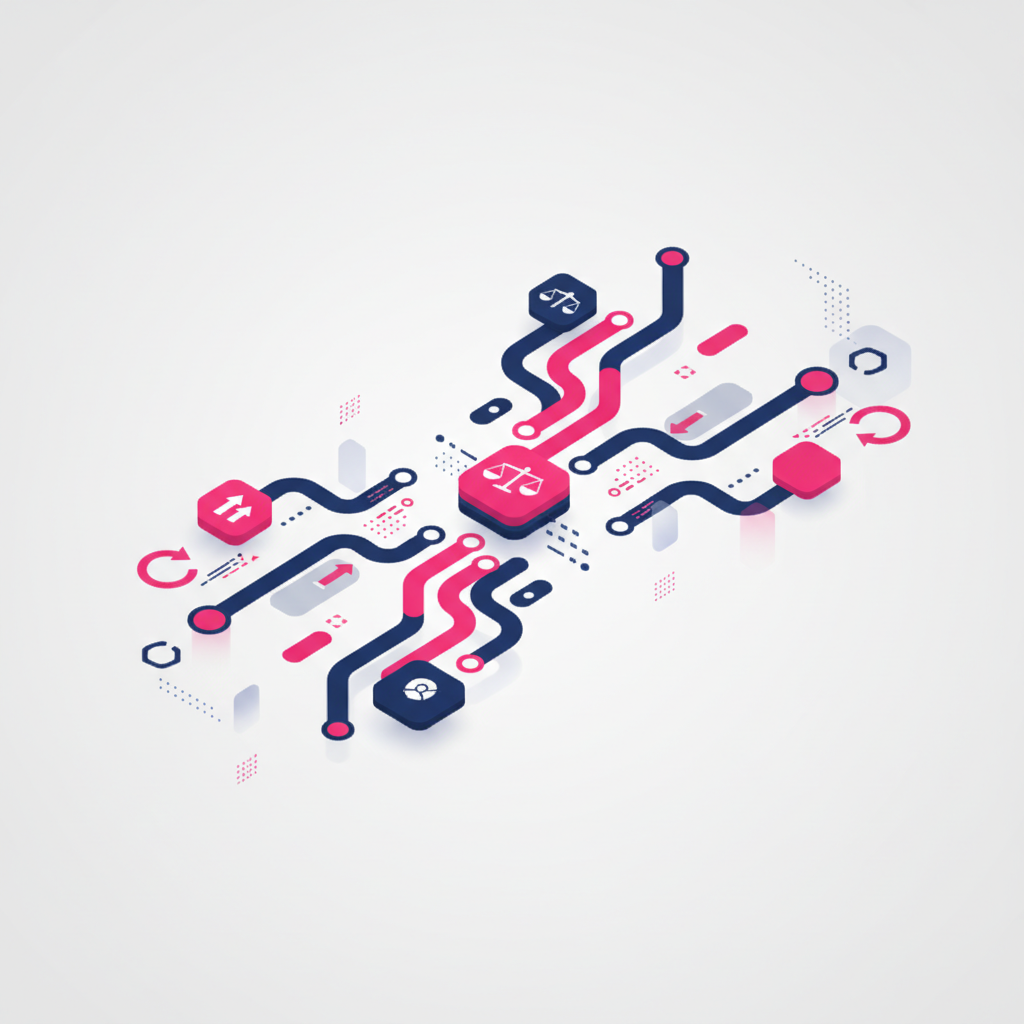
In a business context, your “cities” are your different software applications. You might have one software for tracking attendance (biometrics), another for calculating salaries (payroll), and another for managing employee performance. HR system integration is the process of connecting these software applications so that data flows automatically between them.
When systems are integrated, you enter data once, and it updates everywhere. For example, if an employee changes their bank account details in the employee portal, that information automatically updates in the payroll system. No one needs to copy and paste it.
The Hidden Costs of Disconnected Systems
Before we discuss how to fix the problem, it is important to understand why keeping systems separate is bad for business. Many companies stick to manual methods because they feel “safe” or “familiar.” However, the cost of doing nothing is often higher than the cost of upgrading.
- Data Duplication: When systems are not connected, your team spends hours doing data entry. They type the same name, address, and ID number into three different places. This is a waste of skilled manpower.
- Human Error: We are humans, not robots. If an HR executive has to manually copy attendance data for 500 employees from one sheet to another, mistakes will happen. A single wrong digit can lead to a salary dispute or a compliance penalty.
- Compliance Risks: In India, labor laws and tax regulations are strict. If your leave management system does not sync perfectly with your payroll system, you might deduct the wrong amount of tax or fail to pay for overtime correctly. This creates legal risks.
- Slow Decision Making: If a business leader wants to know the total cost of manpower for a specific project, they cannot get an answer immediately. The HR team has to pull reports from three different places and merge them. By the time the report is ready, the data might be old.
The Core Benefits of Integration
When you implement proper hr system integration, the impact on efficiency is immediate. It changes the way the HR department functions.
1. Single Source of Truth
This is a very important concept in data management. It means that there is only one place where data is mastered. If you update an employee’s address in one system, it is the truth for all systems. You do not have to worry about which spreadsheet has the “latest” version. This clarity is essential for growing companies.
2. Improved Employee Experience
Employees today expect things to work quickly. If they apply for leave on a mobile app, they expect their manager to see it instantly. If they update their phone number, they expect the company directory to reflect it. Integration makes the employee experience smooth. It removes the frustration of having to fill out paper forms for things that should be digital.
3. Real-Time Reporting
Decision-makers need data now, not next week. Integrated systems allow for real-time dashboards. You can see headcount, attrition rates, and payroll costs instantly because the data is flowing automatically from the source.
4. Saving Time for Strategic Work
When your HR team is not busy copy-pasting data or fixing Excel errors, they have time for real work. They can focus on employee engagement, training, and culture. Technology should handle the repetitive tasks so that humans can handle the people-centric tasks.
Practical Examples of Integration in Action
To make this clearer, let us look at some practical scenarios where hr system integration plays a major role. These are situations we often encounter when helping our clients optimize their technology.
Scenario A: Attendance to Payroll
This is the most critical integration for any Indian company. Most offices have a biometric machine or a mobile app for clocking in and out.
Without Integration: HR downloads the dump from the machine at month-end. They manually calculate overtime, late marks, and loss of pay. Then they enter final days into payroll software.
With Integration: The biometric device sends data directly to the time-tracking software. The software applies the rules (e.g., 3 late marks = 1 half day). This calculated data flows directly into the payroll engine. The payroll runs with a single click.
Scenario B: Recruitment to Onboarding
Without Integration: A candidate is selected. HR sends an email asking for documents. The candidate replies with attachments. HR downloads them and creates a folder on a PC. Then HR opens the HRMS and types in the candidate’s name, PAN, and Aadhaar details manually.
With Integration: The candidate uploads documents to the recruitment portal. Once the offer is accepted, the system automatically creates an employee profile in the main HR database using the data already provided. The candidate simply logs in to verify it. No re-typing is needed.
How to Approach Integration: A Step-by-Step Guide
Moving from manual processes to an integrated system does not happen overnight. It requires a logical approach. Here is how we recommend you look at the process.
Step 1: Audit Your Current Tools
Make a list of every software your HR and Finance teams use. Do you use Tally for accounting? Do you use a specific portal for Provident Fund? Do you use Excel for leave tracking? improved efficiency starts with knowing what you currently have.
Step 2: Clean Your Data
This is the most important step. If you integrate a system with bad data, you just move bad data faster. Before connecting systems, ensure that employee records are accurate. Check for duplicate entries, missing PAN numbers, or incorrect dates of birth. Clean data is the fuel for a good system.
Step 3: Define the Flow
Decide which system is the “Master.” Usually, the Core HR software (where employee profiles live) is the master. Data should flow from the Master to other systems (like Learning Management or Payroll). Sometimes data flows back (like payroll sending tax slips back to the employee portal). Drawing this flow on paper helps clarify requirements.
Step 4: Choose the Right Technology Partner
Integration can be technical. It involves things like APIs (Application Programming Interfaces) and secure file transfers. Most HR leaders do not need to know how to code, but they do need a partner who understands both the technology and the HR process. This is where companies like MYND bring value. We understand that integration is not just about connecting wires; it is about connecting business logic. We ensure that the way data moves complies with Indian labor laws and company policies.
Challenges and Security Considerations
While we advocate for integration, we must also look at the safety aspect. HR data is sensitive. It contains bank details, personal IDs, and salary information.
Data Security: When two systems talk to each other, the channel must be secure. We ensure that data is encrypted during transfer. This means that even if someone intercepts the data, they cannot read it.
Access Control: Not everyone should see everything. The integration must respect user roles. For example, the attendance system should send days-worked data to payroll, but the security guard monitoring the attendance gate should not be able to see the salary data.
System Compatibility: Sometimes, very old software (legacy systems) cannot talk to modern cloud software. In such cases, we often help businesses upgrade or find middleware solutions that act as a translator between the old and new systems.
Why the “Human” Element Matters in Tech Integration
It is easy to get lost in the technical details of hr system integration. However, the success of any project depends on the people using it. If the system is too complex, employees will not use it.
Training is essential. When you integrate systems, the workflow changes. Your HR team needs to learn the new way of working. Instead of spending time entering data, they need to learn how to review and validate the automated reports. We believe in “change management”—helping your team adjust to the new, efficient way of working without fear.
Furthermore, technology should adapt to your process, not the other way around. Every company has a unique culture and policy structure. A good integration respects these nuances. For example, your overtime policy might be unique to your industry. The system integration must be customized to handle that specific calculation, rather than forcing you to change your policy to fit the software.
The Future is Connected
We are seeing a shift in how businesses operates. In the past, buying a massive “all-in-one” software was the trend. Today, businesses prefer to buy the “best-in-class” software for specific needs—the best payroll engine, the best recruitment tool, the best engagement app. Integration is the glue that holds these best-in-class tools together.
By investing in integration, you are future-proofing your business. You are building a structure where you can easily swap out one tool for a better one without breaking the whole system.
Conclusion
Seamless hr system integration is no longer a luxury for large enterprises; it is a necessity for any business that wants to scale efficiently. It removes the bottlenecks of manual entry, reduces the risk of expensive compliance errors, and frees up your HR team to focus on what truly matters—your people.
At MYND Integrated Solutions, we have seen the transformation that happens when systems work in harmony. The chaos of spreadsheets disappears, replaced by the confidence of accurate, real-time data. Whether you are looking to streamline your payroll, automate your attendance tracking, or overhaul your entire HR technology stack, the journey starts with connecting the dots.
If you are ready to explore how technology can simplify your HR operations, we are here to help you navigate the path. Let us build a system that works as hard as you do.