Accounts Payable (AP) automation is no longer just a trend; in 2026, it is the cornerstone of autonomous finance operations. By orchestrating the entire AP lifecycle—from ingestion to reconciliation—automation allows organizations to transform a once-costly back-office function into a engine for financial agility. This evolution from manual processing to digital e-invoicing and AI-driven workflows provides the granular oversight necessary to navigate today’s volatile global markets.
Rather than displacing human expertise, modern AP automation empowers finance professionals to move beyond the “data entry trap.” By offloading repetitive validation tasks to intelligent systems, accounting teams can focus on high-impact initiatives like working capital optimization, strategic sourcing, and financial risk management. This digital shift is essential for enterprises looking to scale efficiently while maintaining rigorous compliance in an increasingly complex regulatory environment.
The Friction of Legacy AP vs. Modern Autonomy
The Legacy Friction: Traditional AP Limitations
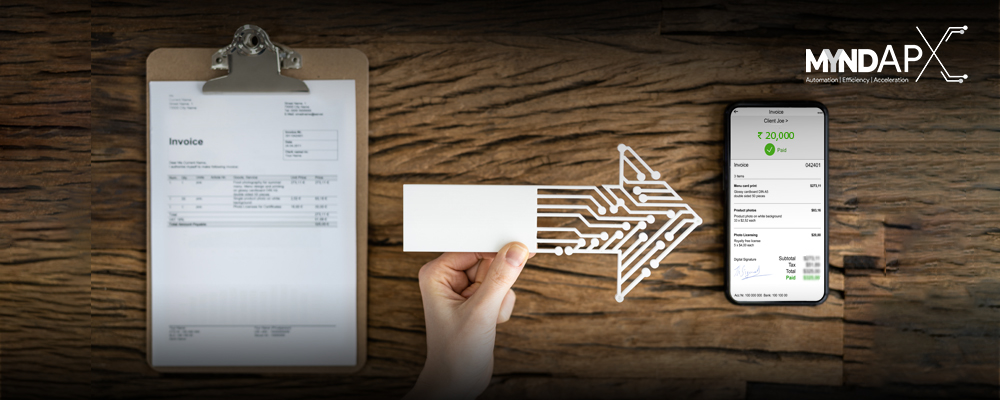
In a legacy AP environment, the finance team acts as a manual clearinghouse for invoices arriving via fragmented channels—postal mail, disparate email inboxes, and various vendor portals. Every document requires a human touch to verify line items against purchase orders and internal policies. If an error is detected, the process grinds to a halt as teams engage in manual correspondence with vendors, leading to significant cycle-time delays.
This linear, human-dependent approach is increasingly unsustainable for growth-oriented businesses. For mid-to-large enterprises, manual processing creates a “visibility gap,” where liabilities remain hidden until they are keyed into the system. This leads to missed early-payment incentives, strained vendor relations, and a heightened risk of duplicate payments or fraudulent activity that manual reviews often overlook.
Autonomous Orchestration: The 2026 AP Model
Next-generation AP automation utilizes an integrated tech stack to ingest data from any source—APIs, EDI, or unstructured digital documents—with near-perfect accuracy. By leveraging Large Language Models (LLMs) and specialized machine learning, these systems don’t just “read” data; they understand context, automatically flagging anomalies and routing approvals based on complex organizational hierarchies.
Once validated, invoice data flows instantaneously into the ERP, creating a real-time record of liabilities. This straight-through processing (STP) model minimizes human intervention to only the most complex exceptions. The result is a robust, scalable framework that handles increased transaction volumes without a linear increase in headcount, providing the business with a definitive competitive advantage.
Seven Strategic Benefits of AP Automation in 2026
1. Accelerated Liquidity and Operational Velocity
In the current economic climate, speed is a strategic asset. Automation slashes the invoice-to-pay cycle from weeks to hours. By automating the three-way match and approval routing, your finance team eliminates the bottleneck of physical signatures and manual follow-ups, ensuring capital moves at the speed of business.
2. AI-Driven Accuracy and Proactive Fraud Defense
Modern systems provide a layer of security that manual processes cannot match. Beyond eliminating simple data entry errors, AI-powered AP tools analyze patterns to detect sophisticated deepfake invoices, phishing attempts, and billing anomalies. This proactive defense mechanism safeguards company assets while ensuring the integrity of the general ledger.
3. Dynamic Cost Optimization and Working Capital Management
Automation transforms AP from a cost center into a value driver. By eliminating the overhead of paper, storage, and manual labor, companies see an immediate drop in cost-per-invoice. Furthermore, real-time tracking allows treasury teams to strategically time payments to capture early-pay discounts or extend DPO (Days Payable Outstanding) to preserve cash flow.
4. Real-Time Financial Intelligence
Static spreadsheets are a thing of the past. Stakeholders now demand live dashboards that reflect the true state of accounts payable at any given second. This visibility allows for more accurate cash flow forecasting, better budget adherence, and the ability to identify spending trends across different departments or geographies instantly.
5. Frictionless Cross-Functional Collaboration
Cloud-based AP platforms serve as a single source of truth for the entire organization. Whether a team member is in the office or working remotely, they can review, query, or approve invoices within a unified interface. This connectivity breaks down silos between procurement, finance, and operations, ensuring everyone is working from the same data set.
6. Elevating Finance to a Strategic Advisory Role
By removing the burden of administrative “drudge work,” AP automation allows your finance talent to function as internal consultants. Instead of chasing invoices, they can focus on analyzing vendor performance, negotiating better contract terms, and providing the data-driven insights that inform high-level corporate strategy.
7. Institutional Governance and ESG Compliance
In 2026, regulatory scrutiny regarding supply chains and ESG (Environmental, Social, and Governance) reporting has intensified. Automated systems provide a tamper-proof digital audit trail for every transaction. This level of transparency is vital for meeting global e-invoicing mandates and providing the reporting necessary for both internal audits and external regulatory compliance.
The 2026 Shift: Transitioning from Automation to Autonomous Finance
As we look deeper into 2026, the focus is shifting from simple task automation to true autonomous finance. We are seeing a surge in “self-healing” workflows where AI identifies a discrepancy, communicates with the vendor’s system to resolve the error, and updates the record without human intervention. This level of sophistication allows finance departments to operate with unprecedented lean efficiency.
Furthermore, the integration of Generative AI (GenAI) into AP platforms allows users to query their financial data using natural language. A CFO can simply ask, “How will our projected payables for Q3 affect our ability to invest in the new R&D project?” and receive a comprehensive, data-backed answer in seconds. This shift toward conversational finance is redefining how leadership interacts with accounts payable data.
Security protocols have also reached new heights. With the rise of global digital identity standards, AP systems now leverage biometric authentication and blockchain-verified ledgers to ensure that every payment is legitimate. Outsourcing partners like MYND are instrumental in this transition, providing the managed services and technical infrastructure required to implement these advanced security frameworks without the need for massive internal IT investment.
The Tech Stack Powering Modern AP
To achieve these benefits, an AP solution must integrate several key technologies that work in concert:
- Computer Vision & Large Language Models (LLMs): These go beyond traditional OCR to understand the semantic meaning of documents, allowing for the extraction of data from even the most non-standardized international invoices.
- Predictive Analytics: Uses historical data to forecast payment trends, identifying potential cash shortages or opportunities for vendor negotiation before they arise.
- Unified API Orchestration: Connects the AP workflow to existing ERP systems (like SAP, Oracle, or Microsoft Dynamics) and third-party banking APIs, creating a seamless loop of data and funds.
MYND Integrated Solutions specializes in bridging the gap between legacy processes and modern autonomous finance. With over two decades of experience in managed services, we provide the platform and expertise, such as MyndAPx, to help businesses navigate their digital transformation journey while ensuring operational excellence and compliance in an ever-changing landscape.