The Evolving Landscape of Payroll in 2026
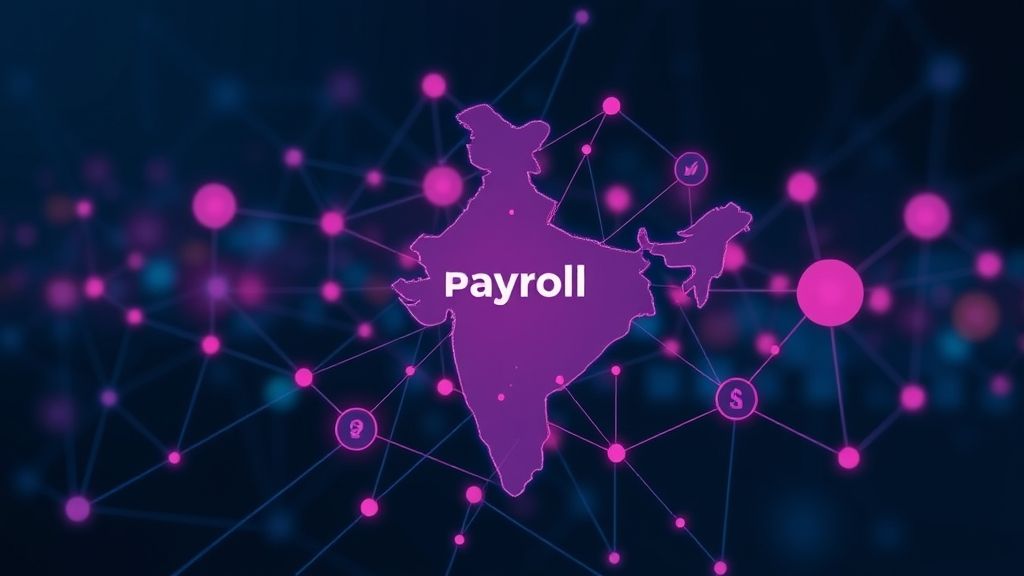
Payroll, the critical function of compensating employees accurately and on time, remains the heartbeat of business operations in India. As we navigate 2026, the complexity of this task has reached new heights with the full implementation of the New Labour Codes and the integration of AI-driven financial tracking. Avoiding payroll processing errors is no longer just about administrative efficiency; it is a strategic necessity for maintaining workforce trust and ensuring total regulatory compliance. At MYND Integrated Solutions, we observe how digital transformation is reshaping these processes, and we aim to share the insights necessary to help your organization stay ahead of the curve.
Introduction: The Real-World Impact of Payroll Inaccuracy
Imagine an employee discovering a discrepancy in their take-home pay due to a failure to adjust for the latest 2026 tax slabs, or a business facing a massive audit because of inconsistent Provident Fund contributions. These are not just mathematical glitches; they are reputational risks. In the current Indian regulatory environment, payroll processing errors trigger immediate digital flags with the authorities, leading to automated penalties and complex legal reconciliations. Accuracy in payroll is the foundation of a resilient business, requiring a sophisticated blend of updated legal knowledge and advanced technology.
1. Fragmented Employee Data: The Root of Inefficiency
In 2026, data fragmentation across various HR platforms remains a primary cause of payroll processing errors. Inaccurate PAN details, outdated bank information, or incorrect UAN (Universal Account Number) links can lead to failed transactions and rejected statutory filings. With the government’s push for real-time data syncing, even a minor typo can halt an entire payroll cycle.
Strategies for Prevention:
- Deploy AI-Powered Validation: Utilize tools that automatically verify bank account details and PAN validity during the onboarding phase.
- Enable Employee Self-Service (ESS): Shift the responsibility of data accuracy to employees by providing secure portals to update personal information in real-time.
- Quarterly Data Scrubbing: Perform automated audits to ensure that the payroll database matches the master records in your HRMS.
2. Misclassification of Workers under the Social Security Code
The distinction between regular employees, fixed-term workers, and gig partners has become more nuanced under the current Social Security Code. Misclassifying a worker to avoid statutory contributions is a high-risk error that modern digital audit systems can easily detect, resulting in significant retrospective liabilities.
Strategies for Prevention:
- Review Classification Logic: Regularly evaluate worker roles against the latest definitions provided in the Labour Codes.
- Standardize Contracts: Ensure that contractual language explicitly aligns with the nature of work and the corresponding statutory requirements.
- Audit Hybrid Workforce Models: As the gig economy expands, ensure your payroll logic accounts for the specific social security contributions required for platform workers.
3. Wage Calculation Errors under the ‘50% Rule’
One of the most significant changes in recent years is the standardized definition of ‘wages.’ Payroll teams must now ensure that allowances do not exceed 50% of the total remuneration. Miscalculating this ratio leads to incorrect PF and ESI contributions, which can result in heavy penalties during inspections.
Strategies for Prevention:
4. Errors in Real-Time Tax (TDS) Deductions
With the New Tax Regime now being the default for most employees, failing to accurately track investments or applying the wrong tax slab can lead to significant friction during year-end filings. Furthermore, the Income Tax Department now expects higher frequency in data reporting, making manual tax management obsolete.
Strategies for Prevention:
5. Non-Compliance with Unified Statutory Portals
The integration of PF, ESI, and Professional Tax into more unified digital interfaces means that inconsistencies are flagged faster than ever. Delayed remissions or incorrect calculations of statutory dues are the most common triggers for government notices in 2026.
Strategies for Prevention:
6. Poor Integration of Leave and Attendance Systems
Attendance tracking has moved beyond simple biometric logs to geofencing and AI-based monitoring. When these systems don’t talk to payroll, the result is ‘leaky’ payroll—paying for unearned leave or failing to compensate for actual hours worked, which impacts the bottom line and employee morale.
Strategies for Prevention:
7. The 2026 Shift: AI and Real-Time Compliance Monitoring
A new era of payroll has arrived where ‘reactive’ processing is being replaced by ‘proactive’ monitoring. Modern organizations are now using AI to predict potential compliance breaches before they happen. For instance, predictive analytics can flag an employee who is approaching an overtime limit set by the Factories Act or identify anomalies in TDS deductions across a specific department. This proactive stance is essential for large-scale operations where manual oversight is impossible. Embracing these advanced technologies ensures that payroll remains a silent, efficient engine of the business rather than a source of constant fire-fighting.
8. Cyber Security and Payroll Data Privacy
In 2026, payroll data is a high-value target for cyber-attacks. Failing to secure sensitive employee financial information is a catastrophic error that can lead to legal action under data protection laws and irreparable damage to the company’s brand.
Strategies for Prevention:
9. Neglecting Incremental Policy Updates
Labor laws and tax regulations in India are not static. Small, incremental changes—such as shifts in Professional Tax slabs in a specific state or new exemptions for certain industries—can easily be missed by a team that isn’t focused exclusively on payroll compliance.
Strategies for Prevention:
10. Over-Reliance on Legacy Manual Processes
By 2026, relying on spreadsheets for payroll processing is no longer just inefficient—it is a liability. Manual entry is the leading cause of payroll processing errors, and in an era of digital-first governance, it leaves no room for the necessary audit trails required by Indian authorities.
Strategies for Prevention:
Conclusion: The Future of Error-Free Payroll
Successfully navigating payroll in India requires a relentless focus on accuracy and a willingness to embrace technological change. By addressing these ten common errors, businesses can foster a more engaged workforce and a more compliant corporate structure. As the landscape continues to evolve through 2026 and beyond, the integration of managed expertise and robust technology will remain the most effective way to eliminate risk and drive operational excellence. At MYND Integrated Solutions, we remain committed to empowering businesses with the tools and insights needed to master the complexities of modern payroll.